
The Dorpshuis Le Roux Museum in Oudtshoorn offers a look into the domestic life of a prominent family during the town's historical ostrich feather boom era, providing a tangible connection to the past of the Klein Karoo region. Stepping inside, children can experience the distinct atmosphere of a bygone age, moving through rooms furnished as they would have been in the early 20th century. Instead of interactive touchscreens, the engagement here comes from observation and imagination. Kids are encouraged to really look at the details: the intricate patterns on the carpets, the heavy wooden furniture, and the delicate porcelain displayed in glass cabinets. They can compare the old telephone in the study to their own mobile phones, wonder at the elaborate teacups and saucers set out in the dining room, or imagine bedtime stories told by candlelight in the bedrooms, which are often arranged with period clothing and children's items, such as antique dolls or wooden toys that offer a striking contrast to modern playthings. The museum's true value for children lies in illustrating how daily life functioned without the electricity, running water, or technology we rely on today. This direct visual comparison helps them grasp concepts of history and societal change more concretely than a textbook ever could. Unlike some larger, more diverse museums, Dorpshuis Le Roux zeroes in on a specific slice of South African social history, allowing for a focused exploration of a particular lifestyle and architectural style unique to Oudtshoorn and its rich heritage, making the historical narrative deeply personal and relatable. This focus on the everyday details of a specific family's home life helps ground the broader history of the region in a very accessible way for young minds, prompting questions about how different life was then and sparking curiosity about their own family's history.
This museum is particularly well-suited for primary school-aged children, specifically those in the 4-7 and 8-12 age brackets, who can actively engage with the visual information and begin to understand historical context. Under-3s might find the "look but don't touch" environment challenging, and while teens can appreciate the architectural and social history, younger children will benefit most from an adult guiding their observations and discussions. A typical visit can comfortably last between 1 to 1.5 hours, allowing enough time to explore each room without rushing, but also before attention spans wane. The experience is primarily an indoor one, offering welcome respite from the Oudtshoorn sun within the cool, thick walls of the historical building. Any small outdoor courtyards or garden spaces would likely be minimal, so the majority of your time will be spent within shaded interiors. Regarding accessibility, as is common with heritage properties, the Dorpshuis Le Roux Museum may feature original architectural elements like stairs, narrow corridors, or uneven floor surfaces. Parents bringing prams or strollers should be prepared for potential limitations in access to certain areas, especially upper floors, as these buildings are preserved rather than modernised for full accessibility. Parking is typically on-street in the immediate vicinity, and while usually unmetered, availability can vary. Standard toilet facilities are generally available for visitors. However, dedicated baby changing stations are less common in older, smaller museums; it is advisable to check upon arrival or plan for alternative arrangements if needed. The internal environment remains consistently shaded and relatively cool due to the traditional building materials, providing a comfortable setting regardless of the outside conditions.
When planning a visit to Dorpshuis Le Roux Museum, a practical tip for families, particularly during Oudtshoorn's hotter months or over school holidays, revolves around timing and preparedness for the local climate and infrastructure. Visiting earlier in the morning is often preferable to avoid the midday sun, especially for the walk from street parking to the entrance. While the museum's historical building with its thick walls provides natural coolness and shade indoors, it is good to remember that such heritage sites typically rely on natural ventilation rather than air conditioning. The impact of load-shedding, a common occurrence in South Africa, is also worth considering. While the museum benefits from ample natural light, some interior spaces might become dimmer during power outages. Therefore, bringing water bottles is always a sensible idea for maintaining comfort. This small bit of planning helps ensure that children remain focused on the historical displays and the stories they tell, rather than being distracted by the surrounding conditions, allowing for a more enjoyable and immersive historical exploration.
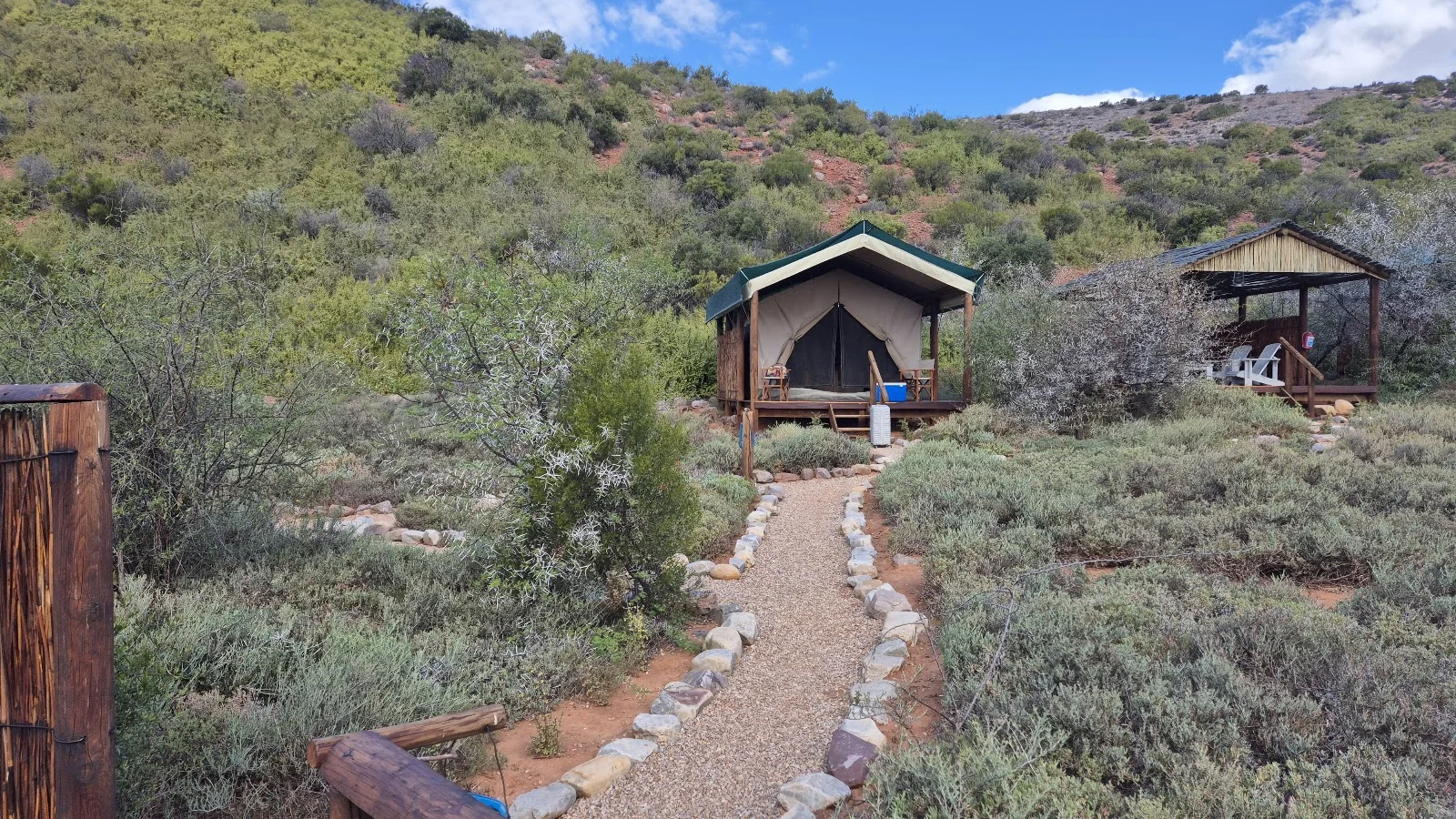
Gamkaberg Nature Reserve is an outdoor space in Oudtshoorn where children can explore a natural mountain environment.

Swartberg Game Reserve in Oudtshoorn offers an outdoor experience where children can observe animals in a natural setting.

True South Travel in Oudtshoorn presents itself as an extensive outdoor space, characteristic of the Karoo landscape, offering families a chance to engage with the…
Share a tip for other parents: best age, how long you stayed, parking or anything you wish you'd known.