
Fantasy Forest in Umhlanga offers a unique experience as an accessible, natural green space within a built-up coastal area. Unlike traditional, structured parks with defined play equipment, this venue encourages unstructured exploration and imaginative play amidst trees and pathways. It operates more as a public forest reserve or natural common land, where the primary activities revolve around children engaging with the environment directly. Kids here typically walk or run along the various paths, observe local flora and fauna, and find natural elements for play such as sticks for building or leaves for collecting. The atmosphere is one of natural tranquility, a contrast to the bustling Umhlanga beachfront. What sets Fantasy Forest apart from other local park options is its continuous 24-hour accessibility and its emphasis on a genuinely natural, unmanicured environment rather than manicured gardens or playgrounds. This allows families to visit at off-peak times, such as a quiet early morning stroll, or to incorporate a walk into a broader daily routine without being restricted by gate times. It provides a straightforward setting for children to develop a connection with nature, climb on natural obstacles where appropriate, or simply enjoy open space for free-range activity away from digital distractions. The lack of artificial play structures shifts the focus entirely to children creating their own entertainment using the landscape itself as their playground, fostering creativity and physical activity in a simple, organic way. Its existence as a substantial treed area within a developed urban fabric also makes it a distinct offering.
Fantasy Forest is suitable for a wide range of ages, adapting to how families choose to engage with the natural setting. Under-3s can be comfortably pushed in a robust pram or carried for gentle walks, observing the light filtering through the trees and listening to natural sounds. For the 4-7 age group, it serves as an excellent space for imaginative play, such as building ‘forts’ with fallen branches or engaging in nature scavenger hunts. Children aged 8-12 might enjoy longer exploration walks, perhaps identifying different tree species or observing birds, making it a good setting for quiet contemplation or more energetic movement. Given its natural setting, a typical visit could range from a brisk one-hour walk to a more leisurely two to three hours if children are engaging in extended imaginative play or if families are enjoying a picnic. The entire venue is outdoor, meaning visitors are fully exposed to the elements. While much of the forest provides natural shade from the tree canopy, paths can occasionally open into more sun-exposed areas. Parking is typically on-street along the perimeter roads or in public bays within walking distance, as there isn't a dedicated, formal parking lot for the forest itself. Pram and stroller friendliness can vary; while some main paths might be relatively smooth, many areas involve uneven ground, tree roots, or natural terrain, so off-road or sturdy prams would be more suitable. Dedicated public toilet and change facilities are not a prominent feature in such a 24-hour accessible, natural public space, so families should plan accordingly before their visit.
A practical tip for visiting Fantasy Forest is to plan your timing and packing carefully, particularly concerning Umhlanga's coastal climate. Given the area's summer heat and humidity, the most comfortable times to visit are generally early in the morning, shortly after sunrise, or in the late afternoon as the sun begins to set. During these periods, the air is cooler, and the light filtering through the tree canopy creates a particularly serene atmosphere, which can enhance the experience for both children and adults. When preparing for your visit, ensure everyone wears comfortable, closed-toe shoes suitable for walking on uneven terrain, as paths can be natural earth and roots rather than paved. Even with the shade provided by the trees, remember to pack water bottles to stay hydrated, and consider bringing insect repellent, especially during warmer months or after rain, as it is a natural environment. Snacks are always a good idea for energy during exploration. This approach helps manage the natural conditions and ensures a more pleasant and uninterrupted time for children to engage with the natural environment.
Hours can change on public holidays — please confirm with the venue before you visit.

be.UP Park Durban offers a dynamic indoor environment designed for children and teenagers seeking physical activity and challenge in Umhlanga, KwaZulu-Natal.

uMhlanga Lagoon Nature Reserve offers a distinctive blend of coastal forest, a freshwater lagoon, and direct access to the uMhlanga beach.
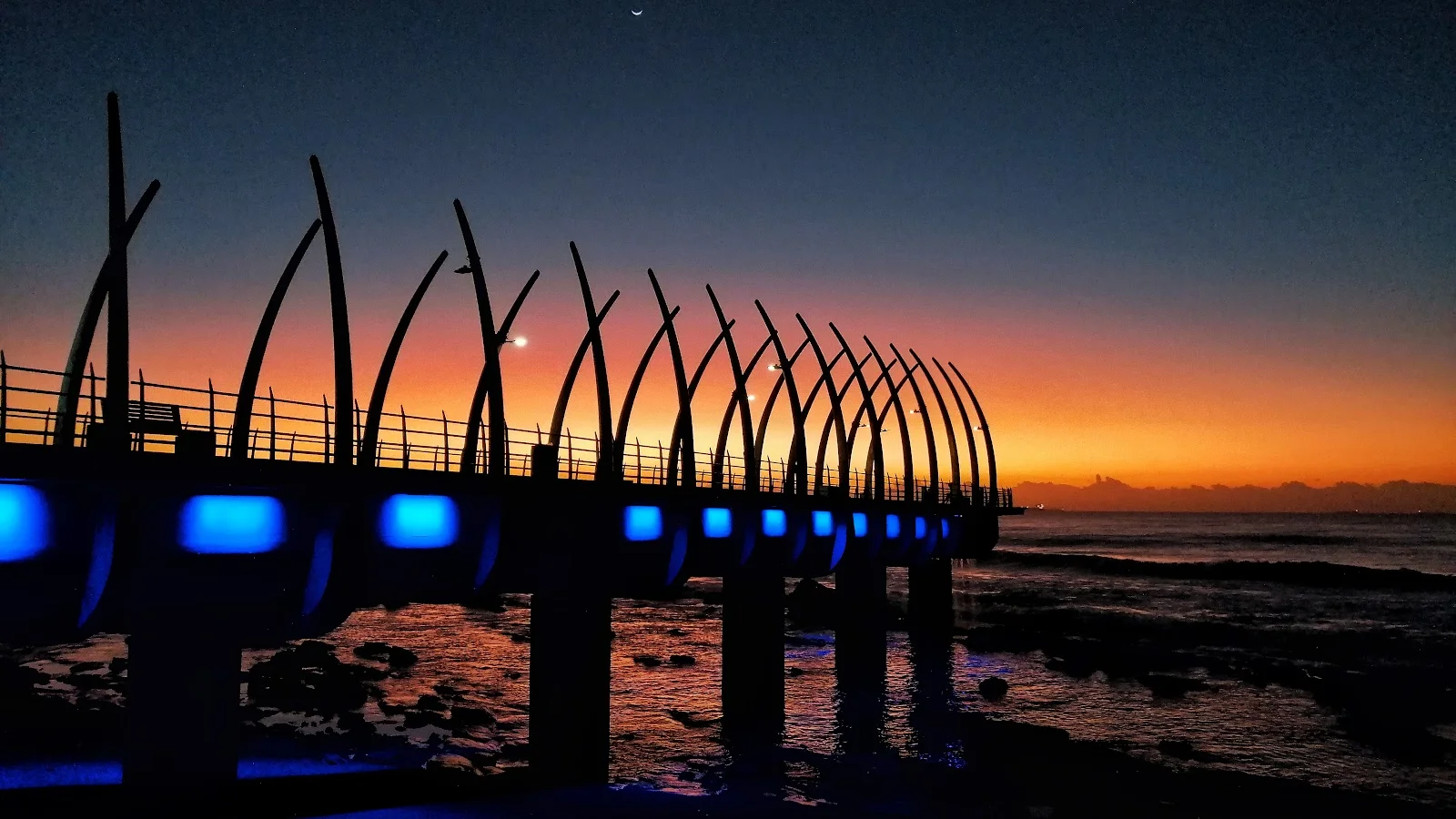
Whalebone Pier in Umhlanga is an outdoor promenade built over the sea.
Share a tip for other parents: best age, how long you stayed, parking or anything you wish you'd known.