
The Walter Sisulu National Botanical Garden in Roodepoort is set around a waterfall, where a breeding pair of Verreaux's eagles nests on the cliffs. About 240 bird species have been recorded in the garden and nature reserve. It is a popular spot for family picnics and walks.
The Walter Sisulu National Botanical Garden, situated on Johannesburg's western periphery, presents itself as an extensive natural area blending cultivated indigenous South African flora with tracts of natural highveld vegetation. The prevailing atmosphere is one of natural tranquility and spaciousness, creating a distinct feeling of having left the city behind. The garden's most prominent feature is the Witpoortjie Waterfall, where the Crocodile River descends approximately 70 metres into a dramatic gorge. This significant geological landmark serves as a nesting site for Verreaux’s Eagles, offering a rare opportunity to observe these large raptors in their natural habitat close to an urban centre. For children, the garden provides expansive lawns ideal for running and supervised play, a network of well-maintained footpaths varying in length and terrain, and numerous designated picnic areas scattered throughout the grounds. Young visitors often engage in spotting various indigenous bird species, exploring trails that lead to various vantage points overlooking the waterfall, or searching for the dassies frequently seen basking on the rocks. What truly distinguishes Walter Sisulu from many other gardens or urban parks is its considerable scale, the sheer spectacle of its waterfall, and the genuine sensation of being immersed within a wilder landscape, offering both curated botanical beauty and raw natural majesty.
This botanical garden is particularly well-suited for families with children in the primary school age groups, roughly four to twelve years, as it offers ample space and diverse natural features to engage their curiosity and physical energy. Younger children, from under three years, can enjoy supervised free play on the large open lawns or comfortable rides along the smoother, paved main pathways, though some of the more rugged or uneven trails might present difficulties for standard prams. For older children and teenagers, the longer hiking routes that ascend to the top of the waterfall and extend through the surrounding koppies provide opportunities for more strenuous outdoor activity and nature photography. A typical family visit here often requires a minimum of four to five hours to properly explore a section of the gardens and enjoy a picnic, with many families easily spending a full day. The entire experience is predominantly outdoors, focusing on immersion in the natural environment. Ample on-site parking is available near the main entrance points, ensuring a straightforward arrival process. While the primary walking paths are generally accessible for prams, navigating the unpaved or steeper trails towards certain natural viewpoints will likely necessitate carrying younger children or using an all-terrain stroller. The garden offers a balanced mix of open, sun-exposed areas, such as the extensive lawns, and shaded sections found under mature indigenous trees and along wooded paths. Well-maintained toilet facilities are conveniently located at several key points throughout the garden.
A practical tip for parents planning a family outing to Walter Sisulu is to aim for an early morning arrival, especially when visiting during the warmer summer months or during school holiday periods. Johannesburg's highveld climate means the sun can become quite intense by late morning, so beginning your exploration closer to opening time allows for cooler, more comfortable conditions for walking the pathways and enjoying the open areas before the peak heat. An early start also increases the chances of spotting more birdlife, including the resident Verreaux’s Eagles, before the general visitor activity increases. Furthermore, it is highly recommended to pack a substantial picnic. This should include a large blanket, a cooler bag well-stocked with plenty of water, juice, and snacks, and perhaps a few small nature-themed items such as binoculars or a local bird guide. While there are typically on-site food vendors or a restaurant, bringing your own provisions provides the flexibility to choose a less crowded picnic spot and ensures that your children have access to their preferred refreshments throughout what can be a lengthy day of outdoor adventure. It is also wise to consider that summer afternoons in Johannesburg are prone to sudden thunderstorms, so being aware of the weather forecast or packing light rain jackets can be a sensible precaution.
Hours can change on public holidays — please confirm with the venue before you visit.

The Lion & Safari Park in Roodepoort offers an accessible slice of the South African wilderness, eliminating the need for extensive travel from the city.

iJUMP Trampoline Arena at Clearwater in Roodepoort offers an energetic, sprawling indoor space where children can literally bounce off the walls in a safe, supervised…
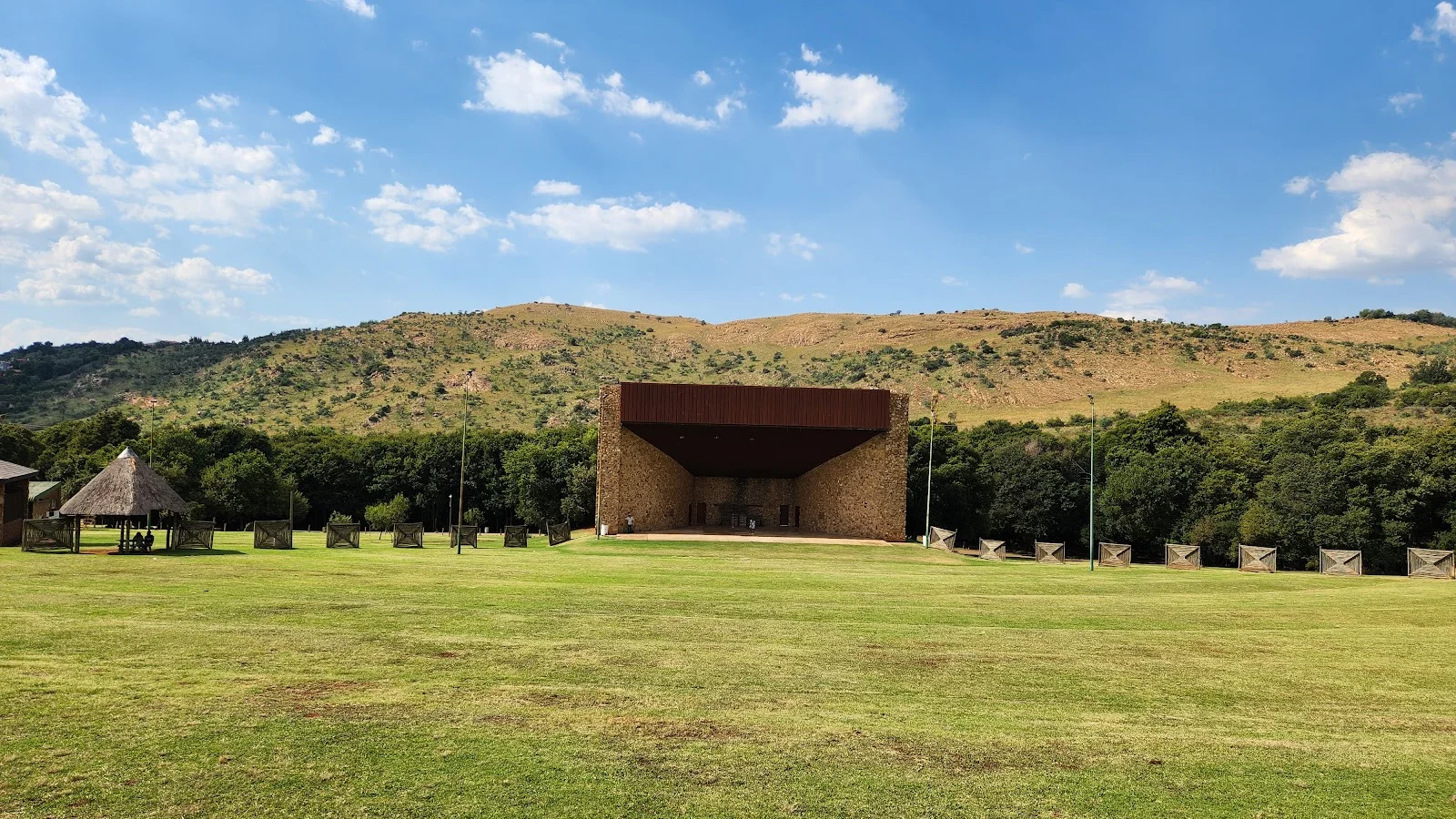
Kloofendal Nature Reserve covers a stretch of rocky ridge and grassland in Roodepoort on Johannesburg's West Rand.
Share a tip for other parents: best age, how long you stayed, parking or anything you wish you'd known.