
Museums
Fort Amiel Museum
📍 Newcastle
⭐ 4.3 / 5
Fort Amiel Museum in Newcastle, KwaZulu-Natal, offers a tangible glimpse into a specific chapter of South African history, distinguishing itself from many traditional ‘glass case’ museums by its very structure. This isn't just a collection of artefacts; it is a historical fort, an actual place where events unfolded. The vibe here is one of exploration and imaginative play, set against the backdrop of late 19th-century military life. Kids can roam the grounds where soldiers once stood guard, examining the solid stone walls and imagining the daily routines within. The main activities revolve around discovering the fort’s various sections: peering into what might have been barracks, kitchens, or storage areas, and observing the layout designed for defence. There are often displays featuring period uniforms, old weaponry, and household items from the era, providing concrete visual aids that help children connect with the past. Instead of simply looking at pictures, they are walking through the actual spaces. What makes Fort Amiel particularly engaging for younger visitors is its inherent ‘playability’ – the opportunity to physically explore battlements, ascend ramparts, and navigate the fort’s layout, which feels less like a static exhibit and more like an open-air historical playground. This direct, sensory engagement with a historical structure allows children to experience history in a way that reading from a textbook seldom achieves, making it a distinctive educational outing in the region.
Fort Amiel is best suited for children aged approximately 4 to 12 years, though older teenagers with an interest in history may also find aspects of the visit informative. Younger children, from around 4 to 7, will likely enjoy the physical exploration of the fort, running around the grounds, and the visual aspects of the displays. Those aged 8 to 12 are at an ideal stage to appreciate the historical context, engaging with the stories behind the artefacts and understanding the fort’s strategic significance. A typical visit might last between one and a half to three hours, allowing ample time for exploration without rushing. The venue features a significant indoor and outdoor split; while there are indoor exhibits housed within the fort’s historical buildings showcasing artefacts, much of the experience involves being outdoors on the fort grounds, traversing pathways and exploring the defensive structures. Parking is generally available on-site or in close proximity, making arrival relatively convenient. Regarding accessibility, parents with prams should be aware that while some pathways might be level, a historical fort by its nature often includes uneven terrain, gravel paths, and steps, which could present challenges for easy navigation in all areas. The site is largely sun-exposed, characteristic of many outdoor historical venues in KwaZulu-Natal, with limited natural shade from trees or the fort’s structures; visitors should prepare for this. Standard ablution facilities are available for use, however, whether dedicated baby changing facilities are present is not specified, so it would be prudent to come prepared for such needs.
When planning your visit to Fort Amiel, a practical tip, especially given the KwaZulu-Natal climate, is to consider the time of day and how to best manage sun exposure. During the warmer months, particularly over summer school holidays, the midday sun can be quite intense on the largely exposed fort grounds. To ensure a more comfortable and engaging experience for children, it is advisable to visit either earlier in the morning, shortly after opening, or later in the afternoon. This avoids the harshest heat and direct sunlight, which can quickly lead to fatigue in young explorers. Regardless of the season, ensure each family member wears a wide-brimmed hat, applies a high-factor sunscreen liberally before and during the visit, and carries a refillable water bottle. Staying hydrated is crucial when exploring outdoors for an extended period. Footwear is another important consideration; sturdy, closed shoes are recommended over sandals or flip-flops, as the fort’s grounds may involve uneven surfaces, gravel, or grassy patches. By prioritising sun protection, hydration, and appropriate attire, you can significantly enhance the family’s comfort and enjoyment of their time immersing themselves in the history of Fort Amiel, allowing the children to explore the fort’s nooks and crannies without being prematurely worn out by the elements.
Information may vary — please confirm hours and pricing with the venue before you visit.
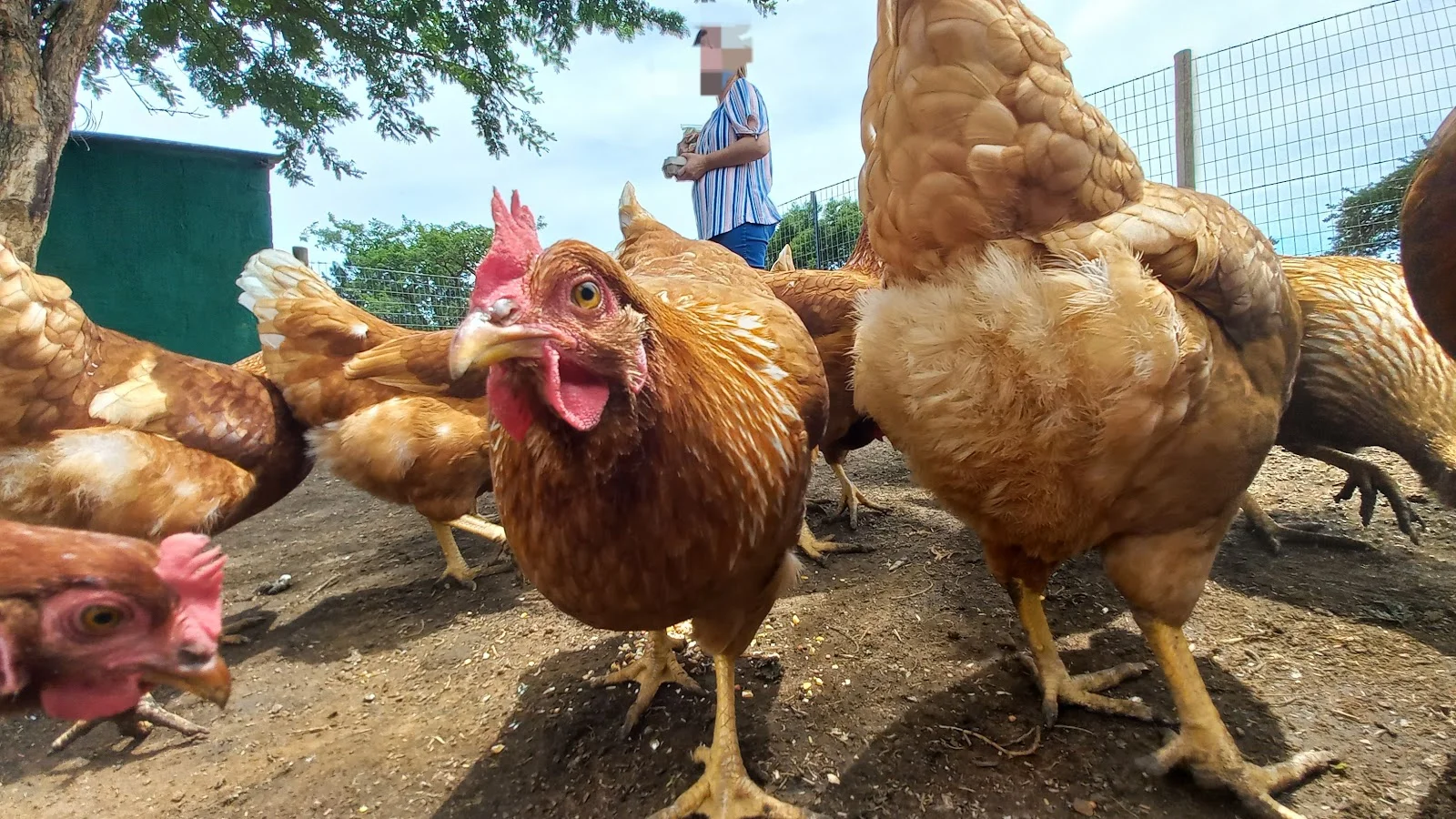
Oppi Berg Animal Farm, situated near Newcastle in KwaZulu-Natal, offers a hands-on experience centred around typical farm animals.

Grey Goose Game Lodge, situated just outside Newcastle in KwaZulu-Natal, presents an experience that combines the comforts of a lodge with opportunities for wildlife…

Pine Farms in Newcastle isn't just a place to see animals from afar; it's a wonderfully authentic, get-your-hands-dirty kind of farm experience designed for families.
No reviews yet — be the first to share your experience!