Parks
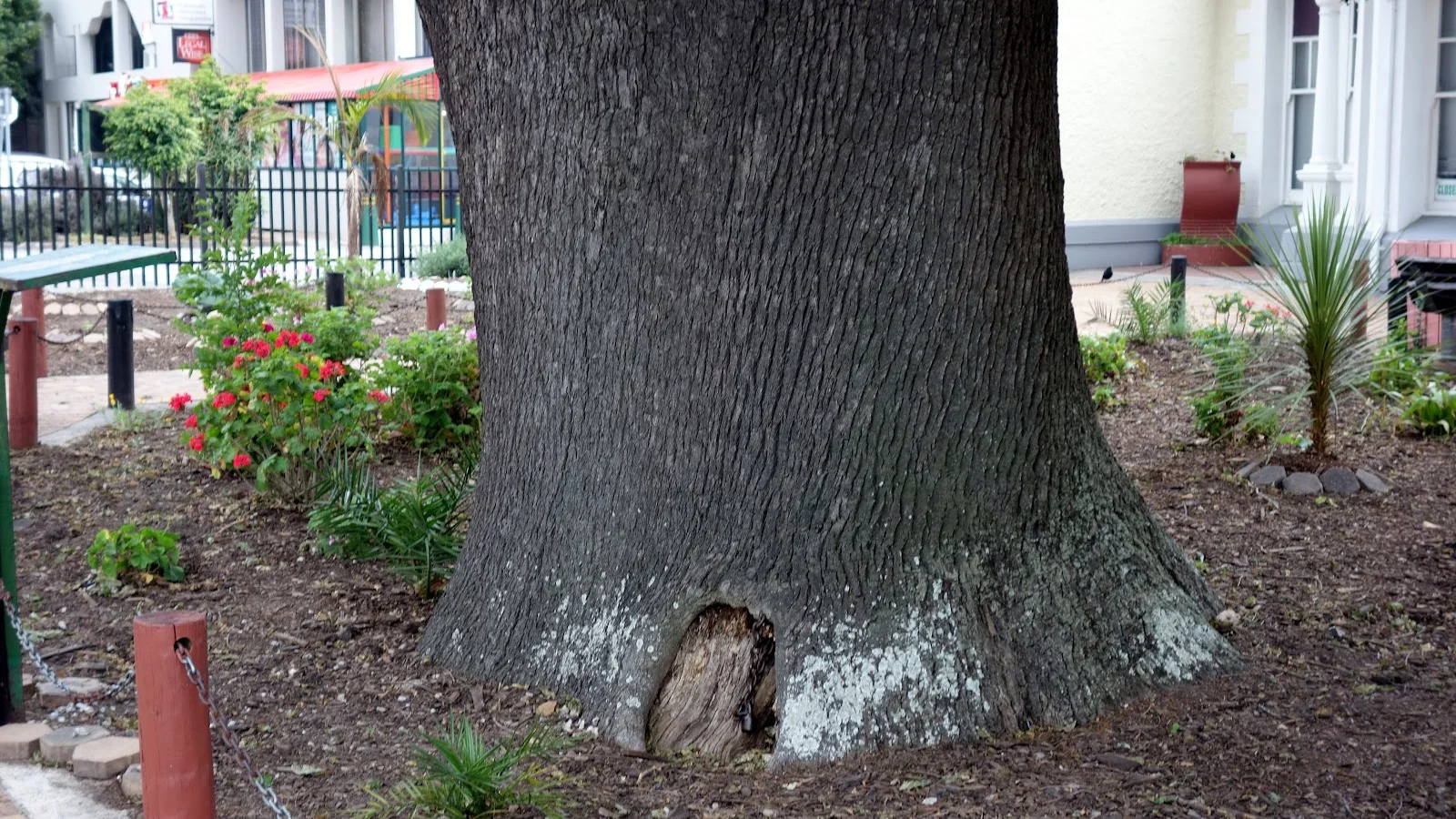
The Old Oak Slave Tree
📍 George
⭐ 3.6 / 5
The Old Oak Slave Tree in George stands as a solemn, living monument, distinct from typical recreational parks or historical gardens. It is not a place for active play, but rather an outdoor space dedicated to quiet reflection and understanding a difficult, yet crucial, piece of South African heritage. The primary "activity" here involves observation and discussion, making it a different sort of family stop. What children primarily do is simply look at this exceptionally ancient and expansive oak tree, taking in its sheer size, the gnarled complexity of its roots, and the extensive spread of its canopy. Parents often use the opportunity to explain the tree's profound historical significance, sharing stories about its origins and the deeply uncomfortable association with the slave trade that gave it its name. There are generally information plaques or markers nearby, providing a factual anchor for these discussions, allowing families to connect directly with the recorded history. This site stands out from other historical points or natural attractions in the region precisely because of this specific, named connection to the past. It’s not merely an old tree or a pretty garden; it functions as a tangible, organic witness to a period of human struggle and serves as a poignant reminder of the lives that shaped the early Cape colony. Its significance lies in its capacity to spark conversation about heritage, human rights, and the passage of time, making it a unique educational outdoor experience rather than a leisure destination. It offers a concrete point of reference for discussing history in a way that simply reading a book cannot fully convey, grounding abstract concepts in a physical, centuries-old landmark that continues to thrive.
Considering its nature, The Old Oak Slave Tree is best suited for children aged 8 to 12 and teenagers, though younger children (4-7) might appreciate the imposing size of the tree itself if parents are prepared to offer significant contextualisation. Under-3s are unlikely to grasp the historical weight, and there are no amenities designed to hold their interest. A typical visit here is generally brief, lasting around 15 to 30 minutes, allowing enough time for observation, reading any available information, and having a short, meaningful discussion about its history. The entire experience is outdoors, centred around the tree and its immediate surroundings. Parking is usually available street-side on the roads adjacent to the site, or in public parking bays within a short walking distance in central George. The ground directly around the tree is typically level and often paved or well-maintained, which means it is generally stroller and pram friendly, allowing easy access for those with very young children or mobility considerations. The tree itself provides a substantial amount of natural shade directly beneath its expansive canopy, offering a cooler respite during warmer days. However, the open areas leading up to and immediately surrounding the tree, where one might stand to view it, can be quite sun-exposed. It is important to note that there are no dedicated public toilet or baby change facilities directly at this specific historical landmark, so visitors should plan accordingly and make use of facilities available at nearby cafes or businesses in George before or after their visit.
One specific local parent tip for visiting The Old Oak Slave Tree is to prepare your children for the historical context and the somewhat solemn nature of the site before you even arrive, and to time your visit carefully. This isn't a place for boisterous energy or a quick dash; it encourages quiet contemplation. Before heading out, take some time to explain, in an age-appropriate way, why this particular tree is significant and what the term "slave tree" implies about South Africa's past. This preparation helps frame the experience, ensuring children understand they are visiting a site of historical remembrance rather than a recreational spot. It allows them to engage with the narrative rather than just seeing an old tree. To maximise this reflective engagement, especially during the warmer months, consider visiting early in the morning or later in the afternoon. George can experience significant heat during summer, and a cooler time of day makes it much more comfortable to stand, observe, and engage in conversation without the distraction of intense sun or discomfort. The softer light of these times can also lend a more fitting atmosphere to the site, encouraging a calmer, more focused interaction with the tree and its powerful story. This deliberate approach ensures the visit becomes a meaningful educational moment rather than a fleeting stop on a day out, helping children connect with a tangible piece of history in a respectful and impactful manner.
Information may vary — please confirm hours and pricing with the venue before you visit.

Cape Nature near George offers a distinctive outdoor experience that blends ancient history with natural exploration and specific wildlife encounters.
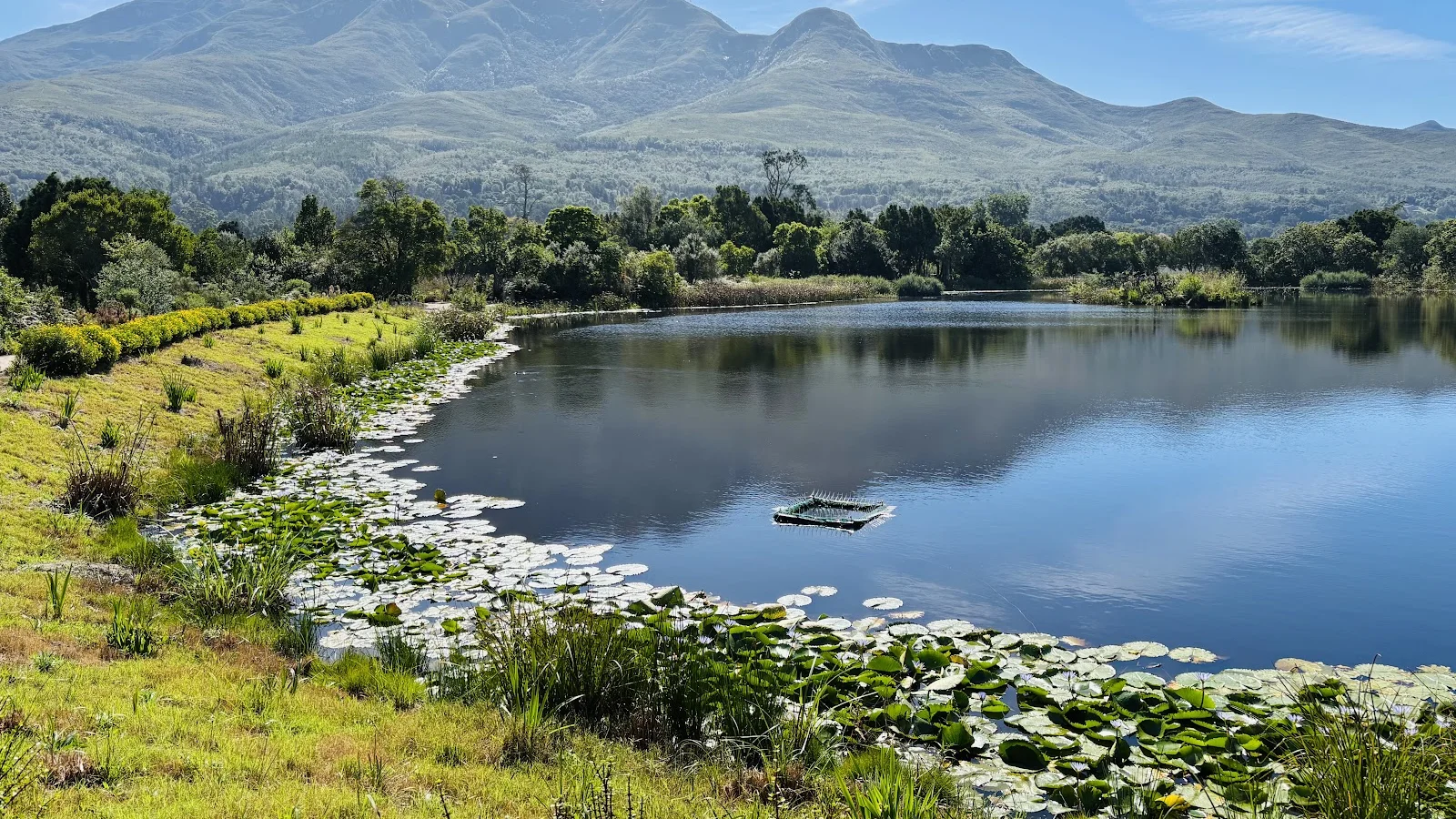
The Garden Route Botanical Garden in George provides an outdoor setting for families to explore plant life.
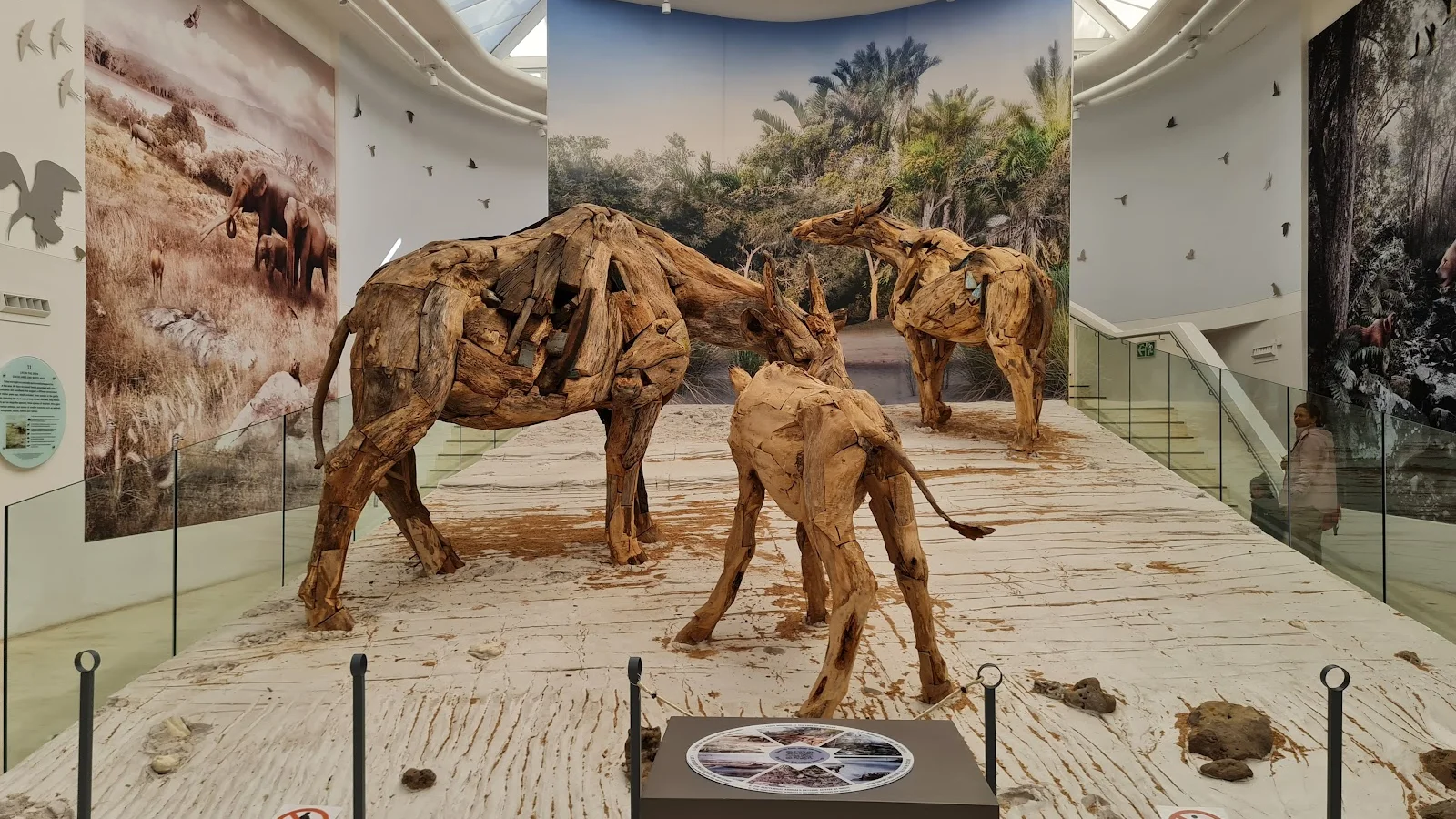
West Coast Fossil Park is a place where children can come face-to-face with the ancient animals that once roamed the Western Cape.
No reviews yet — be the first to share your experience!