
Parks
Nahoon Estuary Nature Reserve
📍 East London
⭐ 4.5 / 5
Nahoon Estuary Nature Reserve offers a quiet escape within East London, focused on the natural confluence of river and sea. This venue provides an accessible window into an estuary ecosystem, where fresh and saltwater meet, creating unique habitats. Instead of playgrounds or structured activities, children here engage directly with the environment, observing the natural world unfold. The vibe is one of gentle exploration and discovery, encouraging quiet observation rather than high-energy play. Kids spend their time walking along designated paths, peering into the water, and scanning the riverbanks and mudflats for movement. The primary activities revolve around wildlife spotting, particularly birds and smaller aquatic creatures. Expect to see waders like various plovers and sandpipers foraging at low tide, or kingfishers darting over the water. The changing tides play a significant role in what is visible, with low tide often revealing rich mudflats where crabs scuttle and small fish might be seen. This direct engagement with the ebb and flow of nature differentiates Nahoon Estuary from typical parks; it is a living classroom where the learning is hands-on and self-directed. Children learn patience as they wait for a bird to appear or quietly observe a crab digging in the sand. The presence of specific estuarine flora, such as various salt-tolerant plants and potentially small mangrove patches if conditions allow, further grounds the experience in a distinct South African coastal environment, showcasing the biodiversity that thrives in these transitional zones. It is a place for families to connect with the intricate balance of an important natural habitat.
Nahoon Estuary Nature Reserve is particularly well-suited for children aged 4 to 12 years, who possess a developing curiosity about nature and the ability to walk moderate distances. Younger children, under 3, can still visit, though a carrier or sturdy pram would be necessary as some paths might be uneven; they would likely enjoy the sensory experience of being outdoors and observing movement, but may not fully grasp the ecological aspects. Teenagers may find it a peaceful spot for photography or quiet contemplation, perhaps appreciating the environmental conservation efforts. A typical visit duration here ranges from two to four hours, allowing ample time for leisurely walks, observation, and perhaps a packed snack break amidst the natural surroundings. This is an almost entirely outdoor venue, so preparation for varying weather conditions is essential. Parking is generally available near the main entrance or designated visitor areas, though it is often informal rather than extensive multi-storey facilities. Stroller or pram friendliness is variable; while main pathways might be manageable, some of the more natural trails could present challenges with loose gravel, sand, or slight inclines, so a robust, all-terrain pram or baby carrier is advisable for the very young. Shade cover varies; while some sections might have trees along the riverbanks offering respite from the sun, large areas, particularly over the estuary itself or along open pathways, can be quite exposed. It is always wise to assume significant sun exposure. Regarding facilities, it is prudent to anticipate that toilet and potential change facilities might be limited or basic in a nature reserve setting; checking for their availability upon arrival or having alternatives prepared is a sensible approach for families.
A practical tip for visiting Nahoon Estuary Nature Reserve is to time your visit around the tidal cycles, particularly if your children are keen on birdwatching or spotting crabs and other smaller creatures. Low tide reveals extensive mudflats, which are prime feeding grounds for various wading birds and where crabs are most active and visible. This makes for a more dynamic and engaging experience for curious young eyes. Conversely, at high tide, the water levels are higher, covering many of these feeding areas, and while birdlife may still be present, the direct observation of mudflat activity is significantly reduced. Checking local tide tables before you set off will allow you to plan for the optimum viewing opportunity. Arriving shortly after the tide begins to recede often provides the best window, as the wildlife starts to emerge to feed on the exposed areas. This planning ensures that the children have the best chance to witness the estuary's ecosystem in action, rather than just seeing a body of water. Packing light binoculars for the children to use can also significantly enhance their engagement with distant birdlife without disturbing the natural environment. Also, consider an early morning visit to avoid the midday sun and catch more active wildlife before the heat sets in, especially during the warmer months in the Eastern Cape.
Hours can change on public holidays — please confirm with the venue before you visit.
Information may vary — please confirm hours and pricing with the venue before you visit.
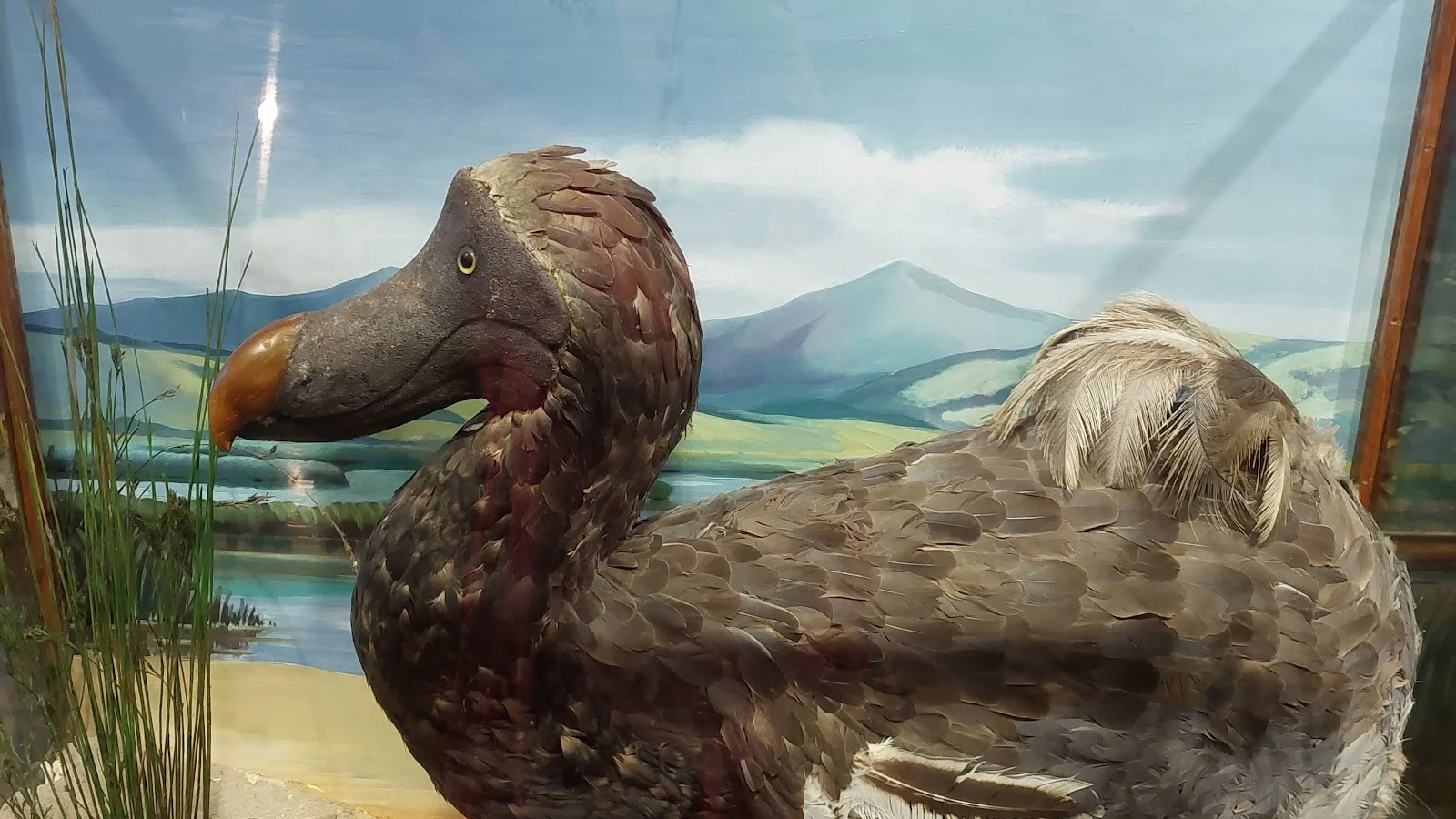
The East London Museum offers a deep dive into the natural and cultural tapestry of the Eastern Cape.

Inkwenkwezi Private Game Reserve, nestled near East London, offers families an exceptional way to experience South Africa's wildlife, moving beyond the traditional zoo…

Yolo Play and Adventure Farm offers East London families an extensive outdoor environment focused on active play and discovery.
No reviews yet — be the first to share your experience!