
Museums
Museum of Illusions Cape Town
📍 Cape Town
⭐ 4.7 / 5
The Museum of Illusions in Cape Town offers a journey through the fascinating world of optical tricks and mind-bending puzzles. It is not a typical museum with historical artefacts or art displayed in cases; instead, this is an interactive space where perception is constantly challenged and played with. Visitors engage directly with over 60 exhibits designed to confuse the eyes and the brain in a surprising, often humorous way. Children here actively participate in creating and experiencing illusions. For example, they can stand in the Ames Room, where a person on one side appears tiny while another on the opposite side looks like a giant, leading to amusing photo opportunities. The Vortex Tunnel simulates a disorienting walk through a rotating cylinder, creating a strong sensation of falling despite a stable floor, which is a big talking point. Other areas include an Anti-Gravity Room where water appears to flow uphill, a vast Infinity Room reflecting endless versions of themselves, and various holograms and stereograms that present 3D images from flat surfaces. Beyond these larger installations, there are numerous smaller interactive brain teasers, puzzles, and illusionistic art pieces where kids can try to figure out the trick behind the visual deception. What sets this venue apart from more traditional museums or even other interactive centres is its singular focus on the science and psychology of optical illusions, presented entirely through hands-on, photographic experiences rather than static information boards. The entire experience is geared towards making you question what you see and how your brain interprets the world, all within a playful and engaging environment that encourages experimentation and shared discovery.
This museum is primarily suited for children aged eight years and older, including teenagers, who will genuinely appreciate and interact with the full scope of the illusions and puzzles. While younger children, perhaps from four to seven, might find some visual aspects interesting and enjoy the novelty of the different rooms, many of the exhibits require a certain level of conceptual understanding or problem-solving skills to fully engage with the trickery. The Vortex Tunnel, for instance, might be too disorienting for very young children. A typical visit usually lasts between an hour and a half to two hours, allowing enough time to explore each exhibit without feeling rushed, especially if you intend to capture various photographs. The entire venue is situated indoors, which means it offers complete protection from any weather conditions, whether it is the summer sun or a rainy Cape Town day, and is entirely shaded. Regarding accessibility, the museum is generally level and navigable for prams and strollers, though navigating through some specific interactive exhibits, like the slanted rooms or the Vortex Tunnel, might be easier if prams are left momentarily at the entrance to that particular section. Parking facilities are available in nearby paid parking garages, common for venues in central Cape Town locations. Standard toilet facilities are provided on-site, which typically include dedicated baby changing areas for parents with infants.
A specific tip for parents considering a visit, especially during South African school holidays or over busy weekends, is to plan for an early morning visit right after the doors open or to opt for a later evening slot, particularly on Thursdays, Fridays, or Saturdays when the museum operates until 10 PM. The highly interactive nature of the Museum of Illusions means that many exhibits require people to take turns, pose for photographs, or spend focused time solving a particular puzzle or understanding an illusion. When the museum becomes crowded, which is a common occurrence during peak holiday periods or midday on weekends, the overall enjoyment can diminish significantly. You might find yourselves waiting in queues for popular photo opportunities, struggling to get a clear view of certain displays, or feeling rushed at interactive stations. Visiting during these quieter periods, typically on a weekday outside of school breaks, or capitalising on the longer evening hours, allows for a much more relaxed and comprehensive experience. This enables children and adults alike to engage with each exhibit at their own pace, experiment with different angles for photos, and truly explore the intricacies of the illusions without feeling overwhelmed or pushed along by the sheer volume of other visitors. It means you can take your time capturing those unique, mind-bending photographs without people constantly walking into your frame, making the visit a much more personal, engaging, and less stressful outing for everyone involved, enhancing the overall experience considerably.
Hours can change on public holidays — please confirm with the venue before you visit.
Information may vary — please confirm hours and pricing with the venue before you visit.

Intaka Island presents itself as a thriving 16-hectare wetlands and nature sanctuary, a rehabilitated ecological zone situated within the broader Century City urban…
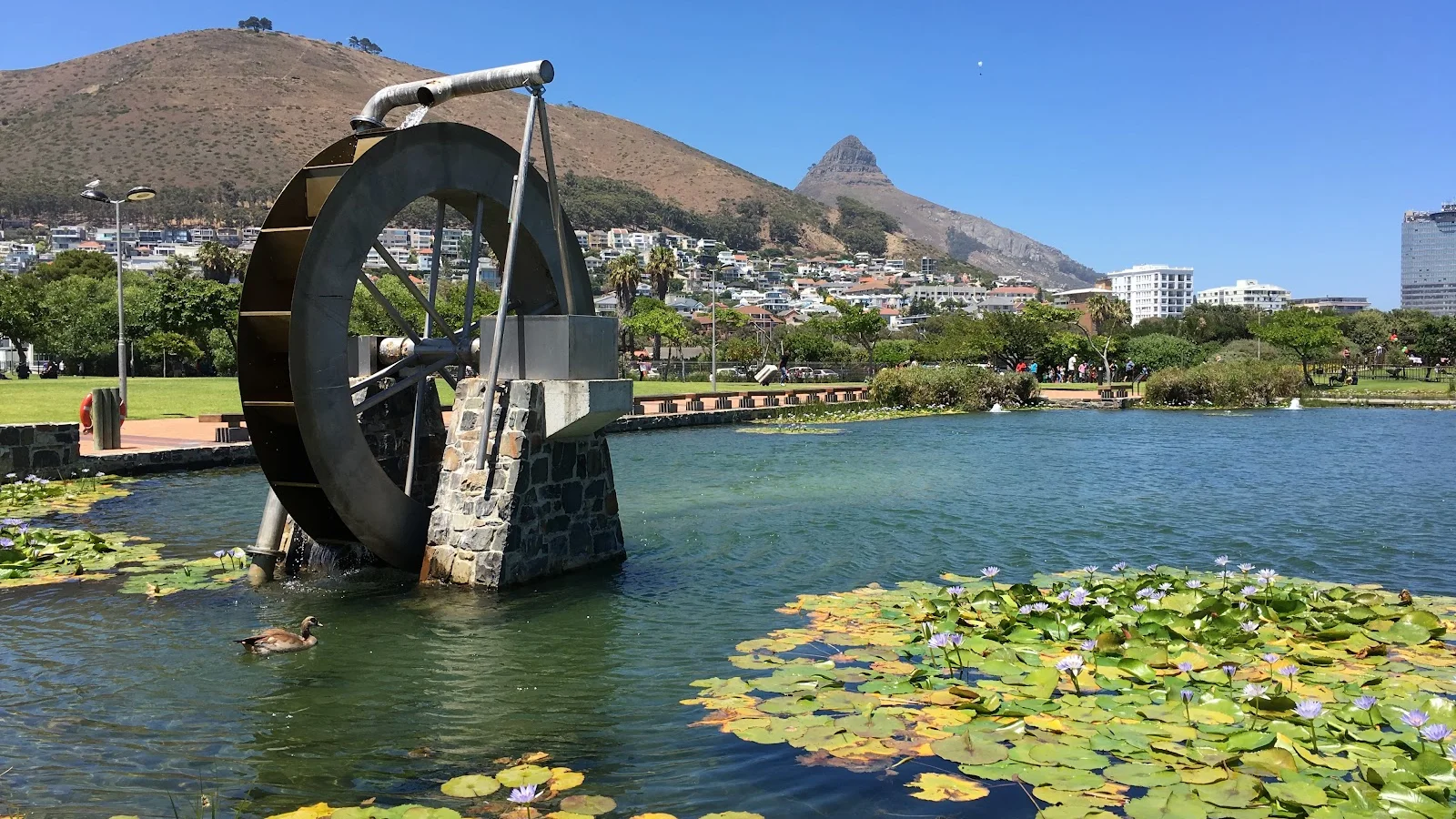
Green Point Park in Cape Town provides a substantial outdoor experience, an expansive urban park featuring vast stretches of green space for children to run and play.
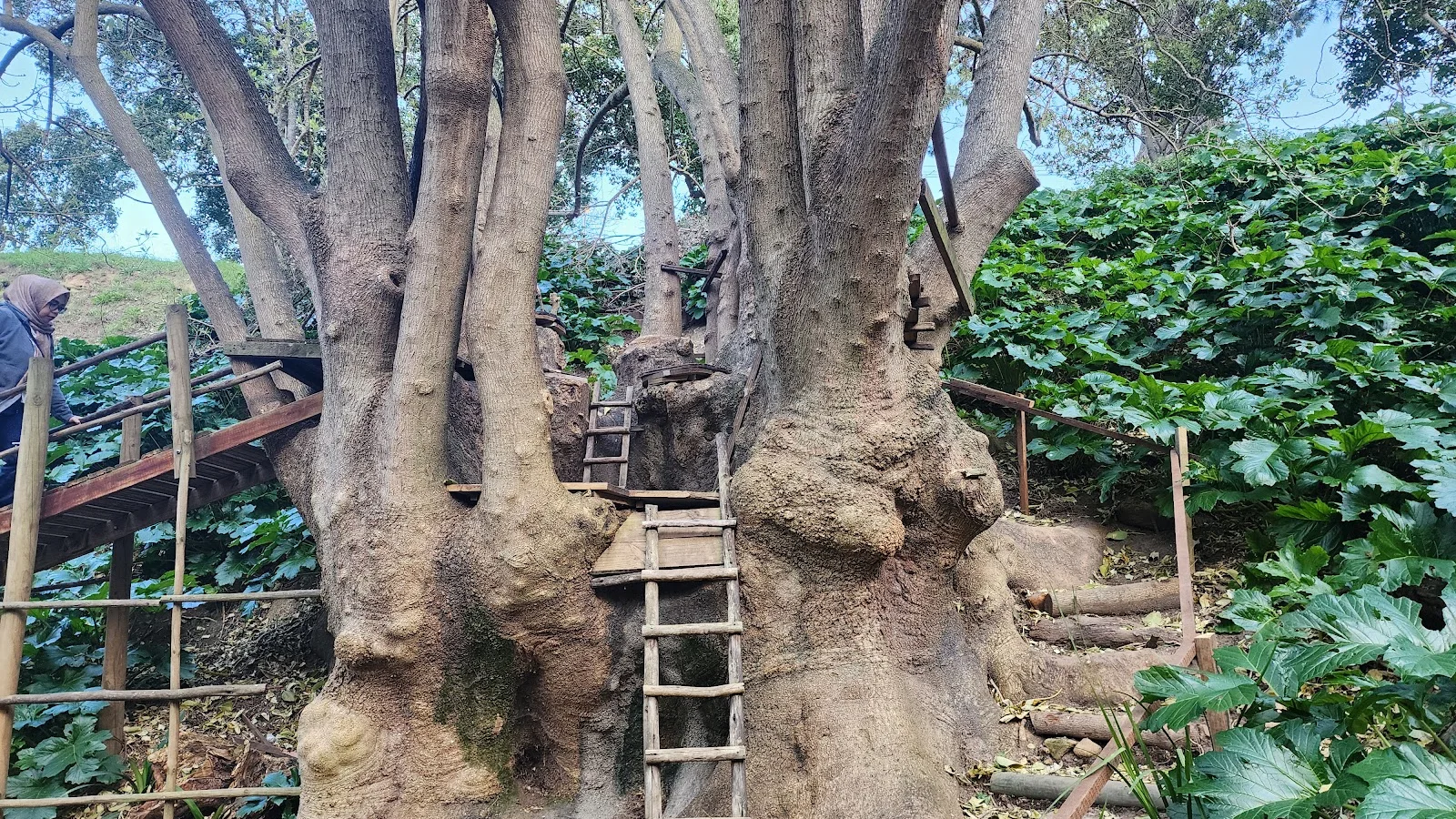
Paradise Park in Newlands, Cape Town, is an outdoor park area providing children with space for play and exploration.
No reviews yet — be the first to share your experience!